

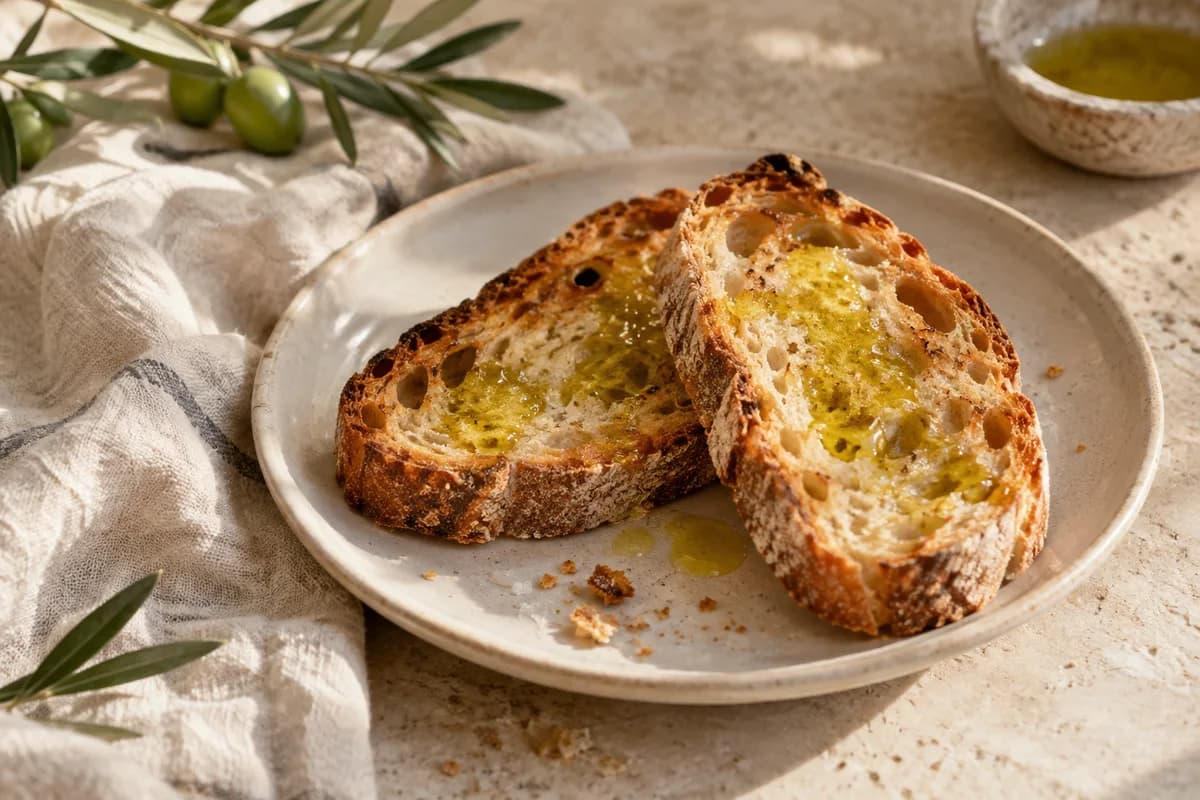
Bruschetta
Warm bread, raw oil: the most honest test.
Tasting
Medium fruity, clear vegetal notes, bitterness and pungency in balance: that is the official profile of our single variety Nocellara del Belice. Here you learn to recognise it, one sip at a time.
Start with the sensory profile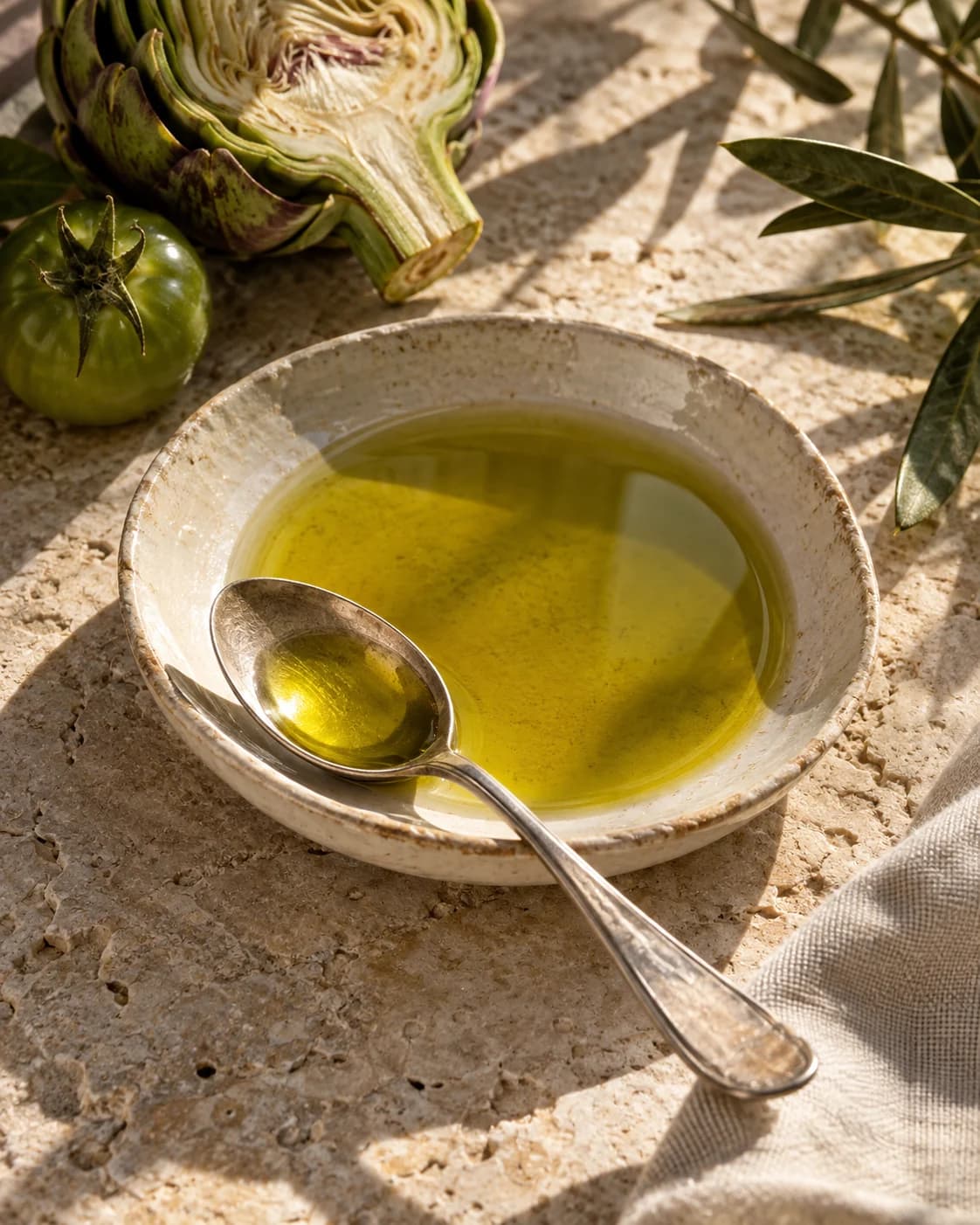
The sensory profile
On the nose, medium fruity with clean vegetal notes. In the mouth, bitterness and pungency arrive together, in balance: the mark of a young oil, cold extracted within 6 hours of picking.
Medium-intensity green fruitiness, vegetal notes
Present, never overbearing
Pleasant pungency balanced with the fruitiness and bitterness
Intensity on a scale of 1 to 5 · official Tunnaliva profile
Typical notes of Nocellara del Belice
An award-winning profile: Gambero Rosso, Oli d'Italia 2023 · Tokyo IEVOOC Silver 2025
How to taste
The method used by tasting panels, explained simply. All it takes is a small glass and two minutes of attention.
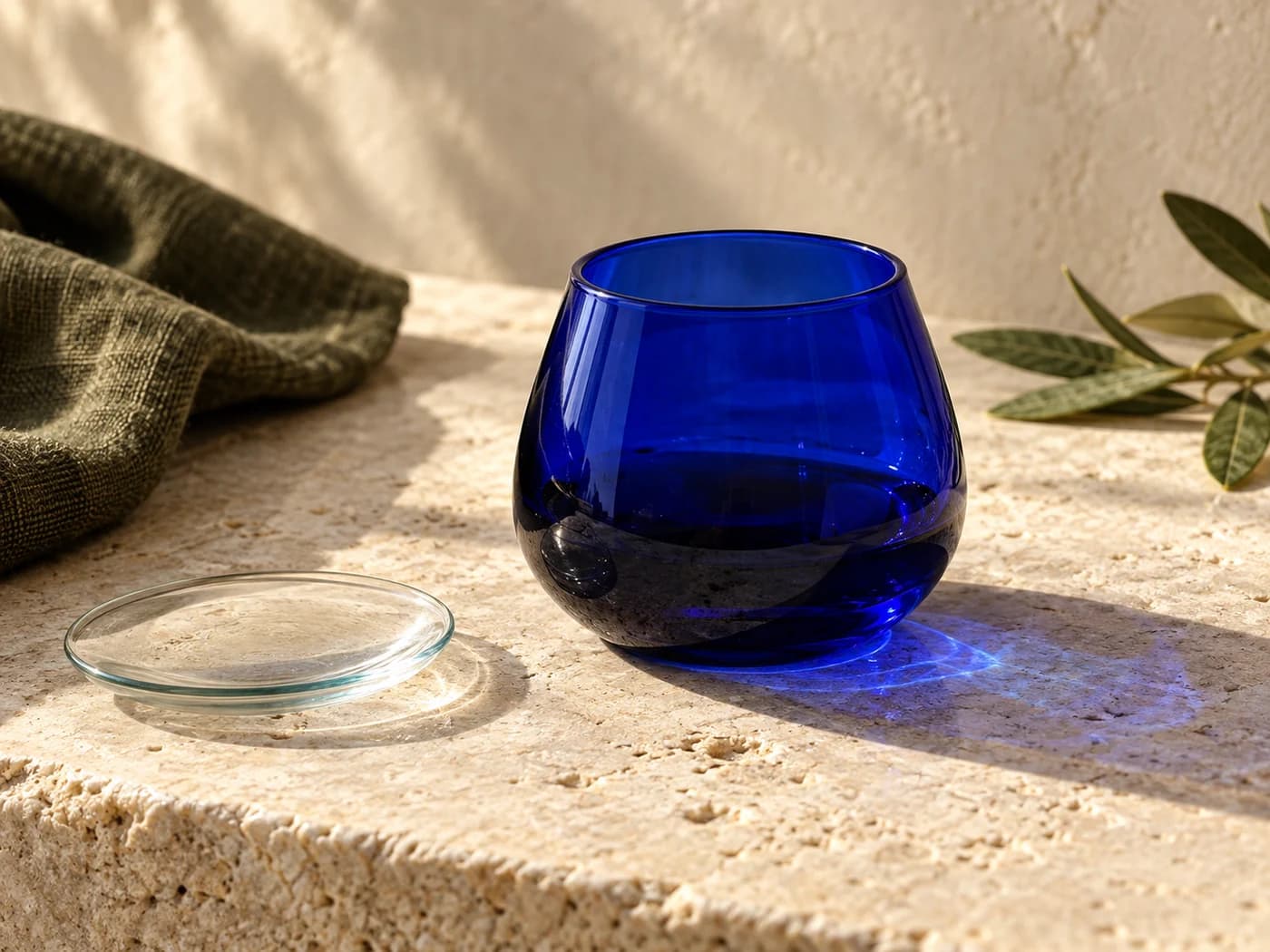
In the official panel test — the same method that defines the defects — the oil is tasted from a blue glass. It is not an affectation: it is there so you cannot see the colour.
Deep green or golden yellow depend on the cultivar, on when the olives were picked and on how much chlorophyll was left in them. Not on quality. A very green oil can be defective and a golden one flawless. You judge with your nose and your mouth.
Pour a little oil into a small glass and cover it with your palm. The warmth of your hand brings it towards 28°C: the temperature at which the aromas open up.
Uncover the glass and breathe in deeply, two or three times. Look for fresh green: it is the first signature of Nocellara del Belice.
A small sip, then draw in a thread of air through your teeth: the oil turns to mist in your mouth and reveals bitterness and pungency, together.
The aftertaste tells you the quality: in our oil the vegetal notes stay, clean and persistent. Nothing heavy.
Pairings
A medium fruity with balanced bitterness and pungency accompanies without covering. Six pairings to begin with.
Warm bread, raw oil: the most honest test.
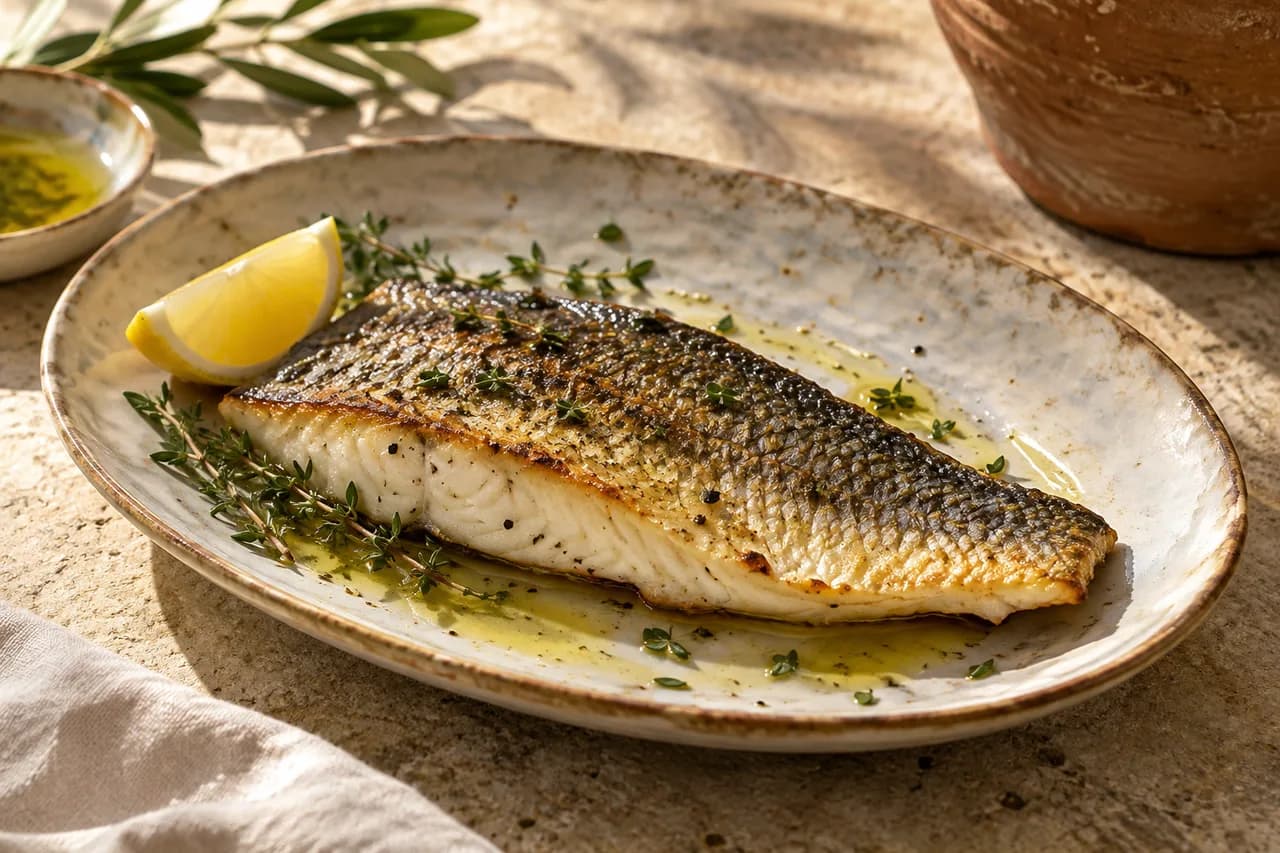
The vegetal notes enhance the delicate flavours of the fish.
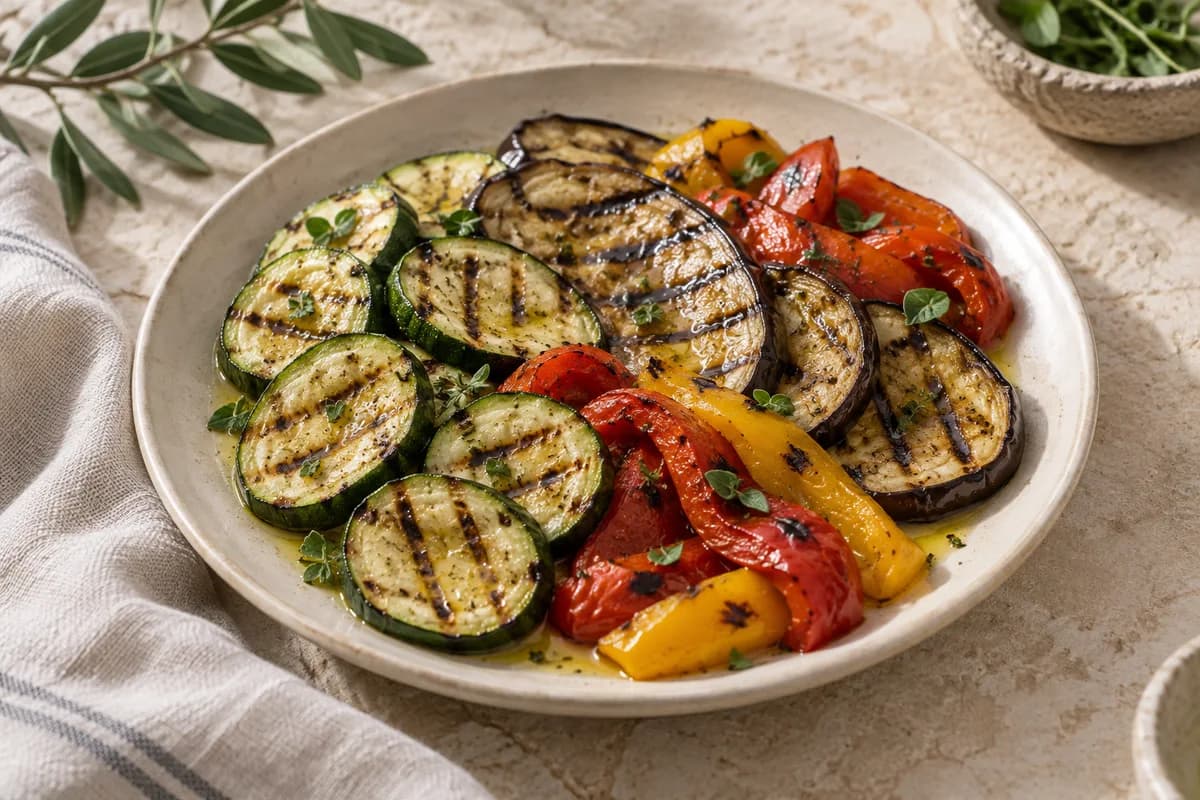
The pungency answers the smoky note.
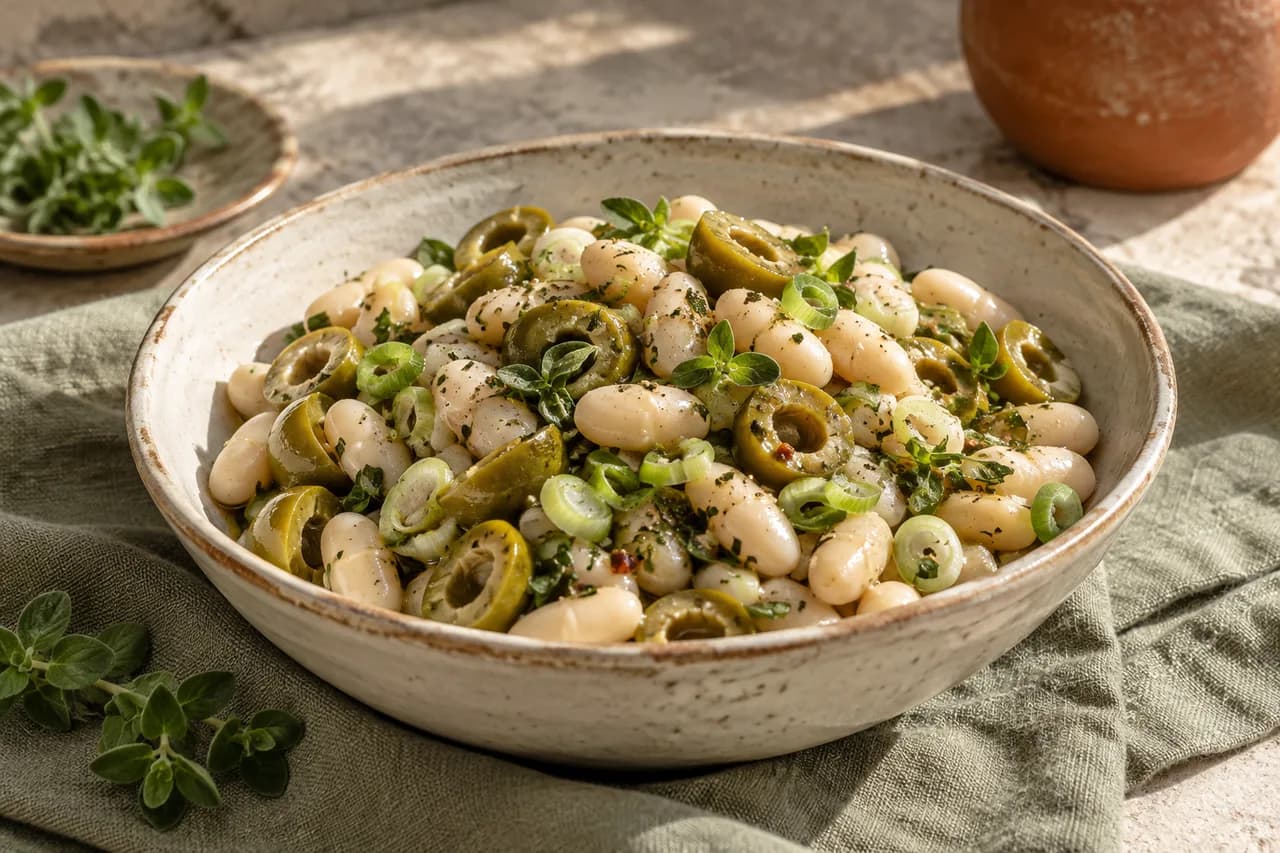
A raw drizzle over soups and purées.
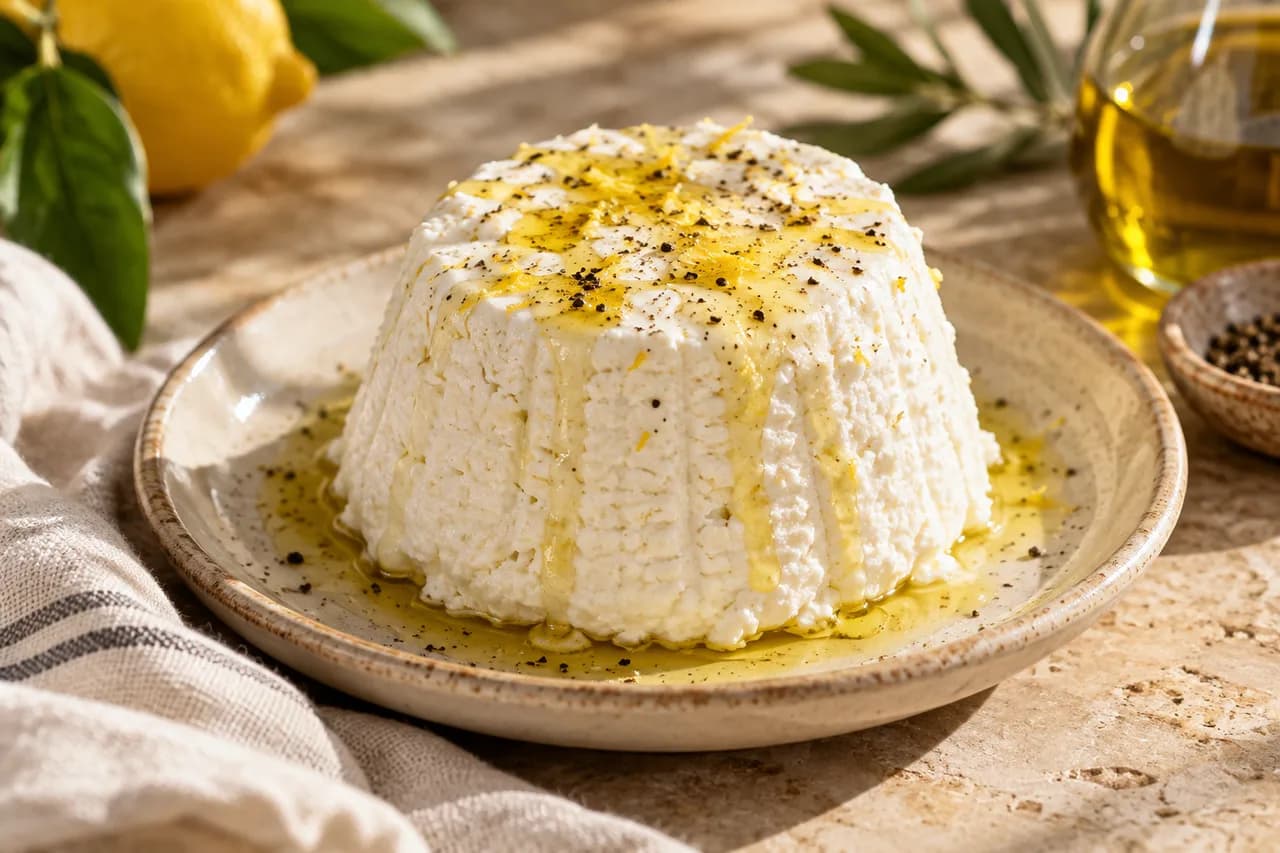
The gentle bitterness balances the fat.
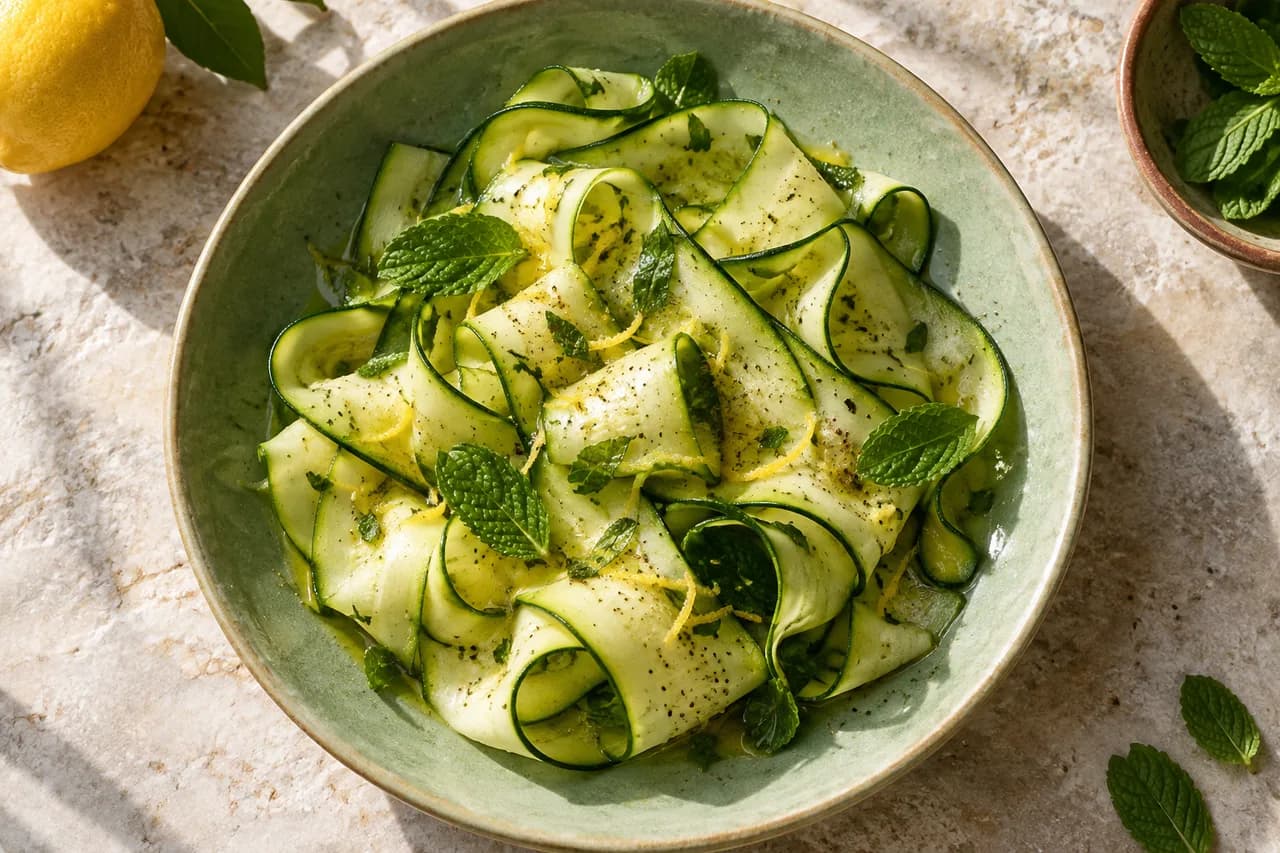
A thread of oil, salt and nothing else.
Spotting a defect
By law an oil is extra virgin only if a panel of eight to twelve trained tasters finds no defect at all: a median of zero. These six words are enough to judge, on your own, whether a bottle is what it claims to be.
The smell of olives heaped up and fermenting before milling. The commonest defect of all: it comes from waiting, which is why we mill within 6 hours.
A hint of wine or vinegar, sometimes of nail polish. Sugars have fermented: the olive had already started before it reached the mill.
A cellar smell, of wet earth, of fungus. Olives left damp or badly stored, often picked up off the ground.
A heavy, stale smell: the oil sat too long against the bottom of the tank, where the solids settle.
A taste of iron. Prolonged contact with unsuitable metal surfaces, in processing or in storage.
Oxidation: it tastes of stale walnut, of butter gone off. It catches any oil that is too old, or kept in light and warmth.
The right moment
This is where the whole profile can be read. The 100 mL is the tasting size, to get to know it; the 250 mL is the ritual of those who have already chosen it.
The same oil, in pantry format: the 3 and 5 litre Bag-in-Box keeps the light out and holds the profile steady, tap after tap.
The 500 mL is the everyday one: always within reach, from producer to consumer, with no one in between.
From theory to the table
Picked from mid-October, milled within 6 hours, cold extracted below 27°C, olives only from our own groves in Campobello di Mazara. Everything you have read here, in a bottle.
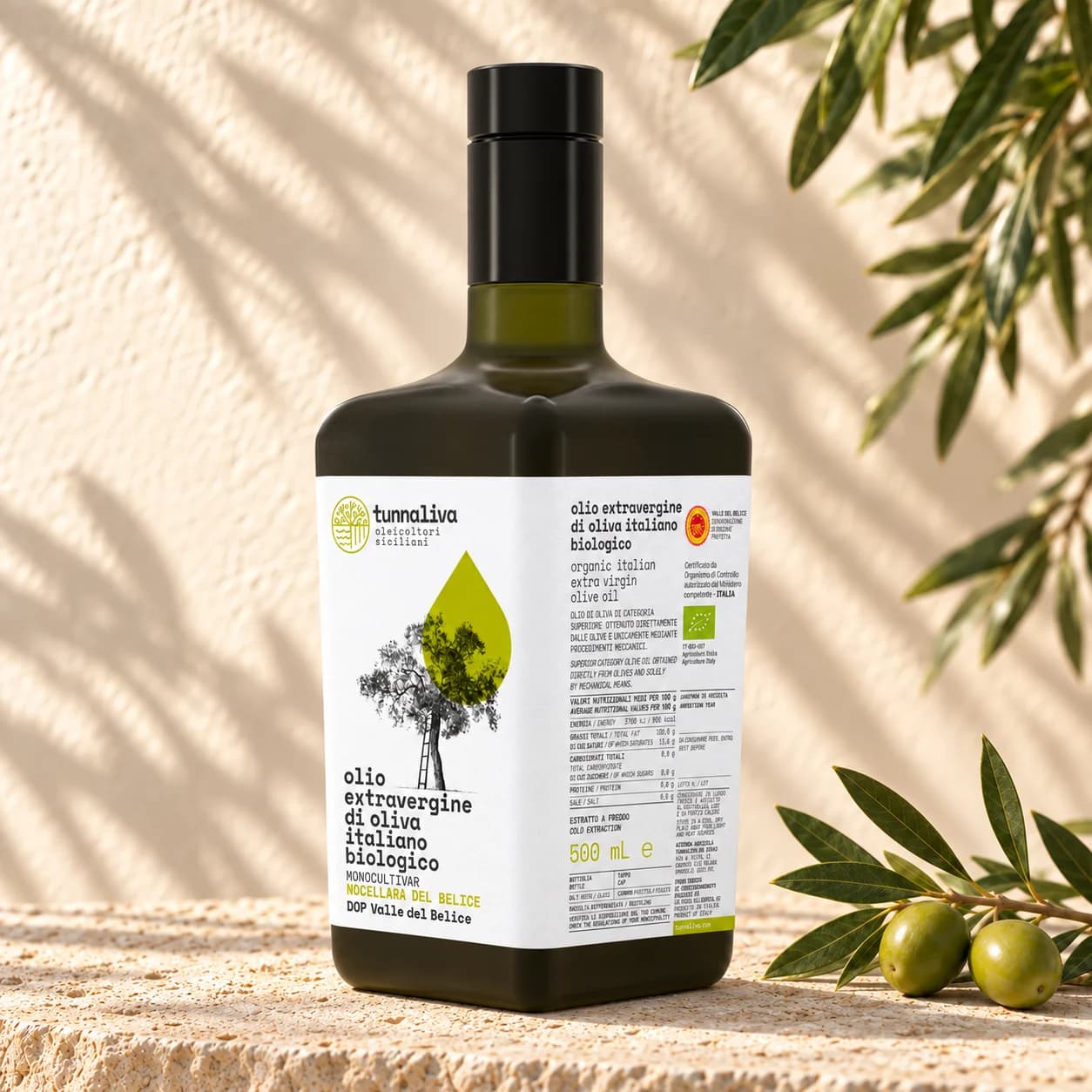 The everyday one
500 mL · PDO Valle del Belice · Organic