When we take our olives to the mill to produce extra virgin olive oil, it is easy to see the by-products that remain: virgin olive pomace, a solid, and vegetation water, a liquid.
These are waste materials that cannot simply be released into the environment. They must be disposed of properly, which carries a considerable cost.
Pomace accounts for 30–50% of the weight of the olives processed.
Traditionally, pomace has been disposed of by reusing it as:
c. solid fuel or feedstock for biogas production;
d. an intermediate material for producing crude olive-pomace oil through chemical solvent extraction, with characteristics considerably inferior to extra virgin olive oil.
In recent years, Italian research organisations have carried out studies exploring the recovery of functional molecules from pomace: polyphenols, tocopherols, phytosterols, terpenes and squalene.
Behind these complex names are high-value molecules with applications in food, cosmetics and pharmaceuticals.
This is the focus of the S.O.S. — Sustainability of the Olive oil System project, led by Ager with the participation of several Italian universities, including the Department of Food Science and Technology at the University of Bari.
Ager, which promotes scientific research in the Italian agri-food sector, aims to develop a green method for extracting functional molecules from pomace. The group is testing so-called supercritical CO2 to obtain extracts for food and pharmaceutical applications. Alongside this extraction system, a method using water-and-alcohol solutions and ultrasound has been developed to recover phenolic compounds from pomace for food enrichment and biomedical use. Further information is available from the project.
The V.A.L.E. project — enhancing agri-food waste to produce olive oil with increased nutraceutical value — has also addressed this topic. Led by the Salov group, it involves, among others, the University of Pisa’s Department of Agricultural, Food and Agro-environmental Sciences and the CPTM consortium.
The organisers’ stated objectives include defining products based on refined olive oil enriched with nutraceutical components, as well as pilot-scale trials of processes to produce such components from olive oil production waste. Details are available on the project website.
This research opens new possibilities for those of us working in the sector, helping improve the efficiency of the entire extra virgin olive oil production chain.
From the page to the table
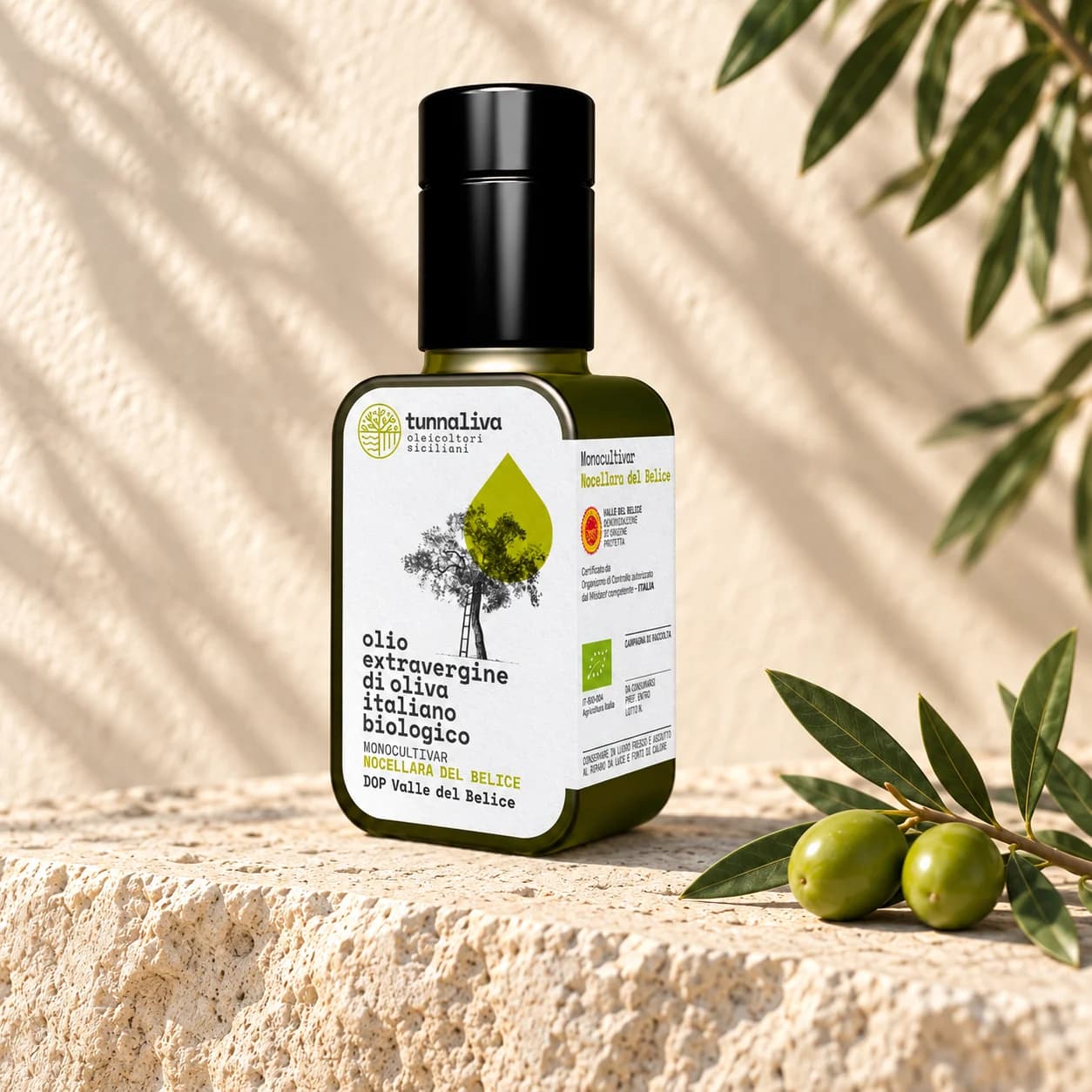
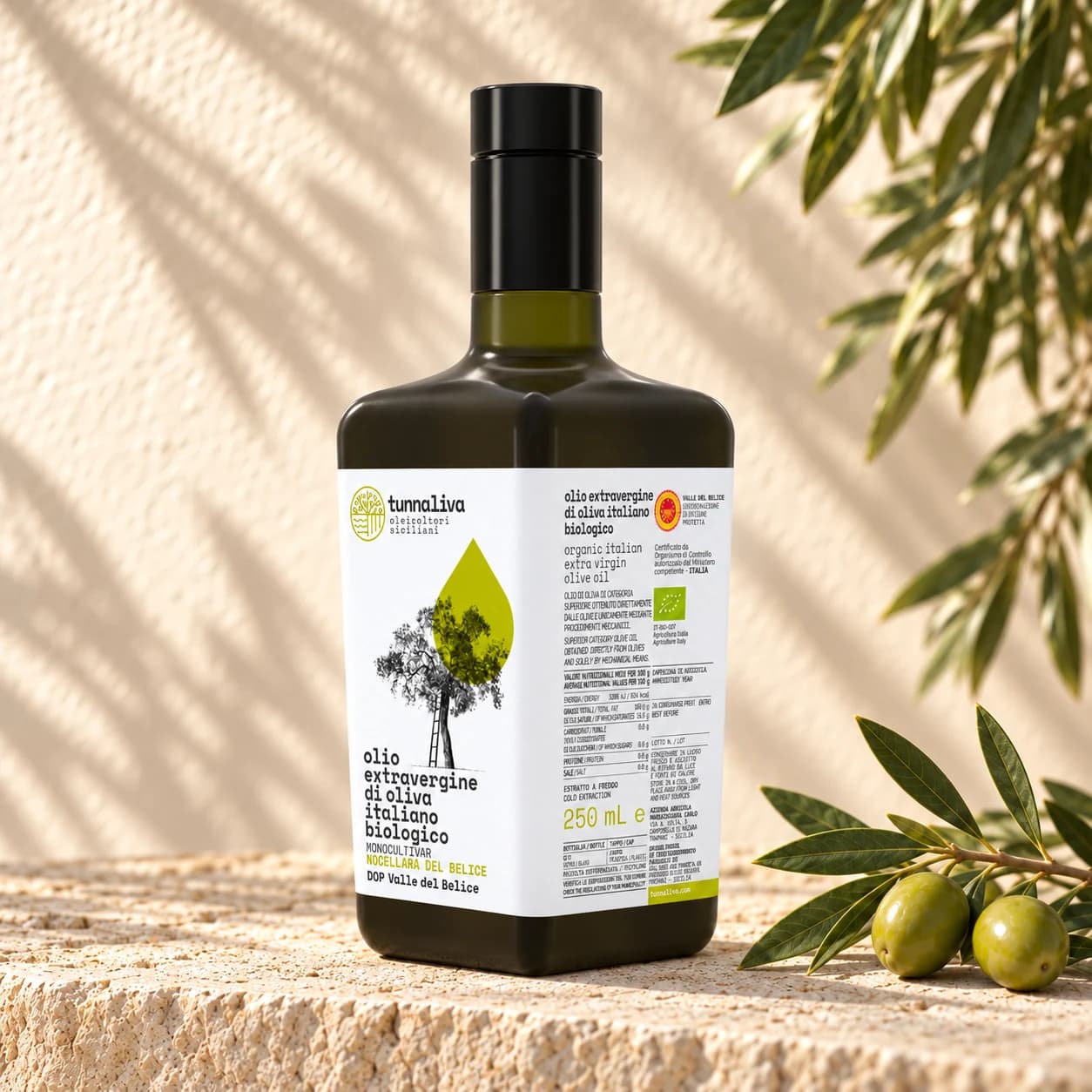
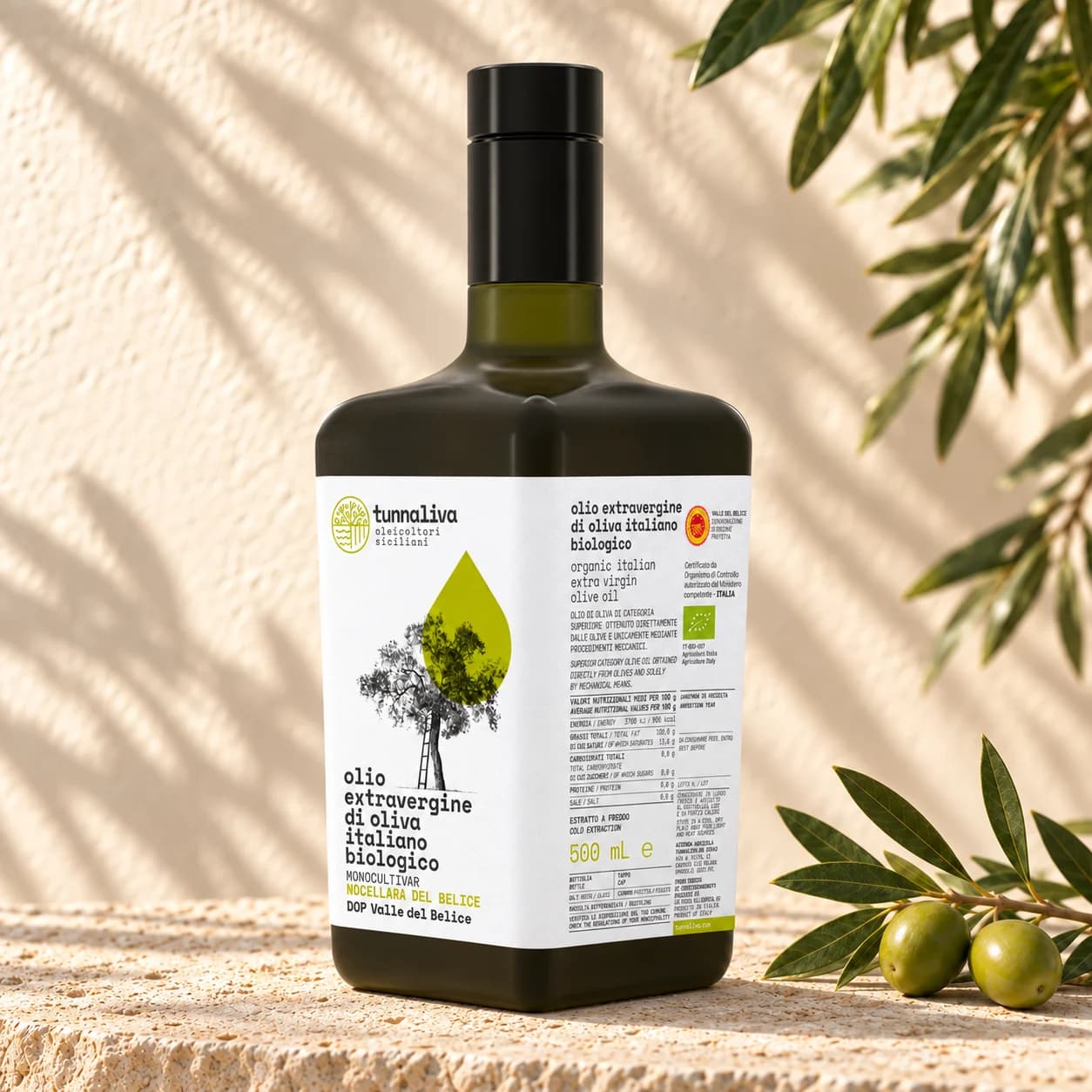
Single variety Nocellara del Belice, milled within 6 hours of harvest and cold extracted below 27°C. In the format of those who use it every day.
Explore all products